
What water extraction actually removes
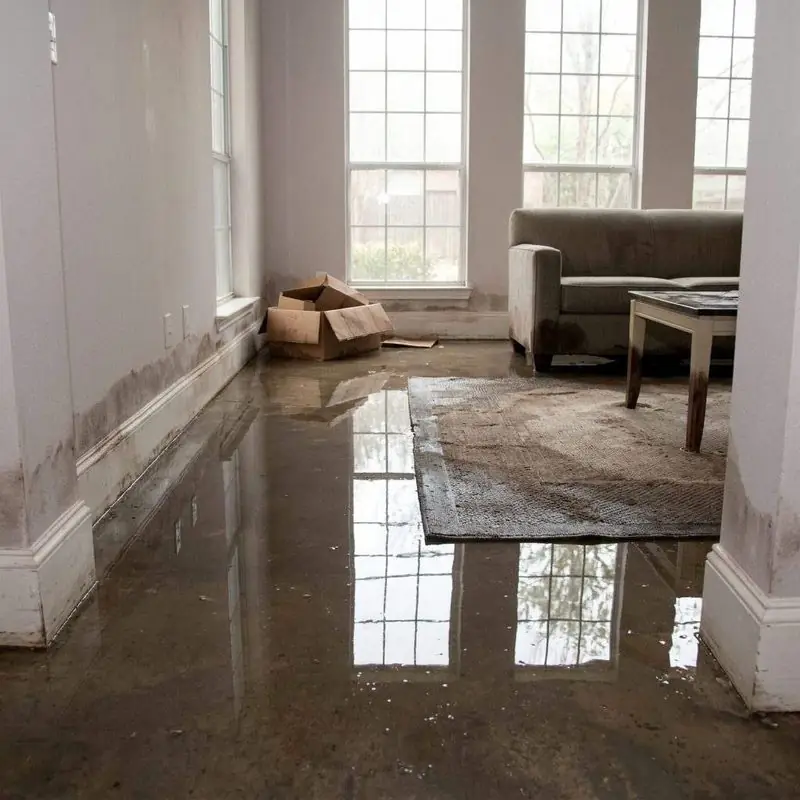
Extraction removes liquid water. Drying removes the moisture that is left inside materials. People mix them up, and it costs them. A carpet that looks dry after extraction can still hold enough water in the pad and tack strip to grow mold under the furniture within a few days.
On a typical Dallas job, extraction handles four places water collects:
- Open floor. Water on tile, vinyl, sealed concrete and laminate, pulled up with wands and squeegees.
- Carpet and pad. Weighted extraction tools, which a technician rides across the carpet, squeeze water out of the pad that a regular wand cannot reach.
- Under cabinets and toe kicks. Kitchens and bathrooms trap water under cabinet bases where it cannot evaporate.
- Low spots. Sunken living rooms, step-down dens common in 1970s Dallas houses, garages, elevator pits and pier-and-beam crawl spaces.
Extraction is the first step of emergency water damage restoration in Dallas, and it sets the clock for everything after it. Every gallon removed with a vacuum is a gallon the dehumidifiers do not have to pull out of the air over the next three days.
Truck-mounted or portable: which does your job need?
Both get used, often on the same job. The difference is power and access.
| Truck-mounted extractor | Portable extractor | |
|---|---|---|
| Best for | Large flooded areas, whole-house losses, commercial floors | Condos, apartments, upper floors, small rooms |
| Power | Much stronger vacuum and faster bulk removal | Lower suction, slower on big areas |
| Access | Needs the truck within hose reach of the door | Goes up elevators and stairs |
| Dallas example | A flooded single-story ranch in Pleasant Grove | A 12th-floor unit in Uptown with a sprinkler discharge |
For high-rise buildings, building management usually controls the loading dock and service elevator. If you live in a tower in Uptown or Downtown Dallas, tell the operator so the provider plans for portable gear and building rules.
Signs you need professional water removal, not towels
- Water spread past one room, or under walls into the next room
- Carpet squishes when you step on it, or the pad feels heavy
- Baseboards are swelling, or paint is bubbling at the bottom of walls
- Water came from a toilet, washing machine discharge or outside
- You smell a musty odor the next day
- The leak happened while you were away and nobody knows how long it ran
If the source was a frozen line, a water heater or a supply hose, read our page on burst pipe and leak water damage for the shut-off steps first.
Carpet water extraction and drying: what gets saved
Carpet hit by clean water and extracted within about 24 to 48 hours can often be dried in place. The pad underneath is usually replaced. Pad is thin foam that holds water like a sponge, costs little, and is hard to dry reliably. Pulling it lets the crew dry the carpet, the tack strip and the slab or subfloor underneath.
Carpet does not get saved when:
- The water was Category 3, such as sewage or floodwater from outside. See sewage backup cleanup.
- The carpet delaminated, meaning the backing separated from the face fibers.
- It sat wet long enough to smell or show staining from the pad.
Many Dallas homes are slab-on-grade, so after the pad comes up, the crew dries a concrete slab, not a wood subfloor. Concrete holds moisture for a long time. Expect moisture readings on the slab before any new flooring goes down, especially if you plan to install wood or glue-down vinyl.
How long does water extraction take?
For a single room of clean water, extraction usually takes an hour or two. A flooded single-story home can take most of a day before drying equipment is set. The rest of the job, the drying, usually runs three to five days with daily moisture checks, which we cover on the water mitigation and structural drying page.
What extraction costs, and what changes the price
Extraction is usually billed as part of mitigation rather than on its own. Third-party Dallas cost guides list mitigation at roughly $400 to $3,000 per room, including drying equipment. The figure moves with:
- Water category. Contaminated water means protective gear, disposal and disinfection.
- Square footage and number of floors affected.
- How long it sat. A same-day call is the cheapest version of this job.
- Access. High-rises, tight crawl spaces and furnished rooms take more labor.
- After-hours timing. Some providers price nights and holidays differently. Ask before work starts.
Your provider should give you a written estimate or scope and explain how it will be billed to your insurer if you have a claim.
Why the first hours matter more in Dallas
Water damage is a race against two things here: heat and wicking. With the AC fighting a 100-degree afternoon, moisture moves fast from wet materials into the air and then back into everything cooler. Drywall wicks water upward by capillary action, and the higher it climbs, the more wall has to be cut out. Extraction early keeps that line low.
Wet rooms also get worse at night. When the house closes up and the AC cycles off, humidity in the wet room climbs. That is when the musty smell shows up. If you are reading this at night with water on the floor, call (972) 544-0840 rather than waiting for business hours.
Before the crew arrives
- Stop the source if you can do it safely.
- Turn off power to the wet area at the breaker if the panel is in a dry spot.
- Photograph the water before you move anything.
- Lift furniture legs onto foil, wood blocks or plastic lids to stop stains wicking into carpet.
- Pick up rugs, shoes, papers, photos and electronics from the floor.
- Do not use a household vacuum on wet carpet, and do not run ceiling fans under a wet, sagging ceiling.