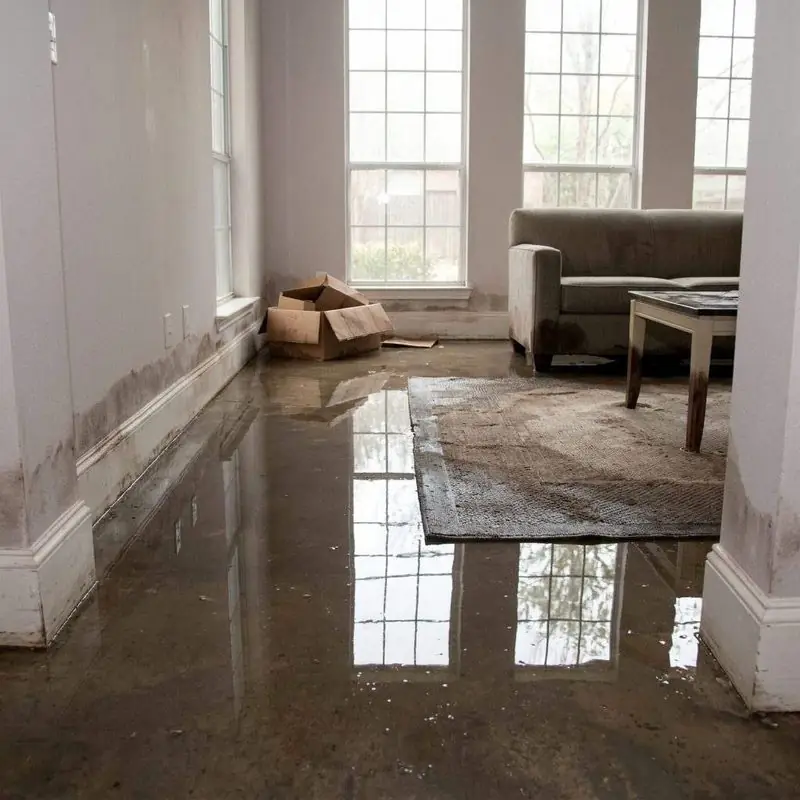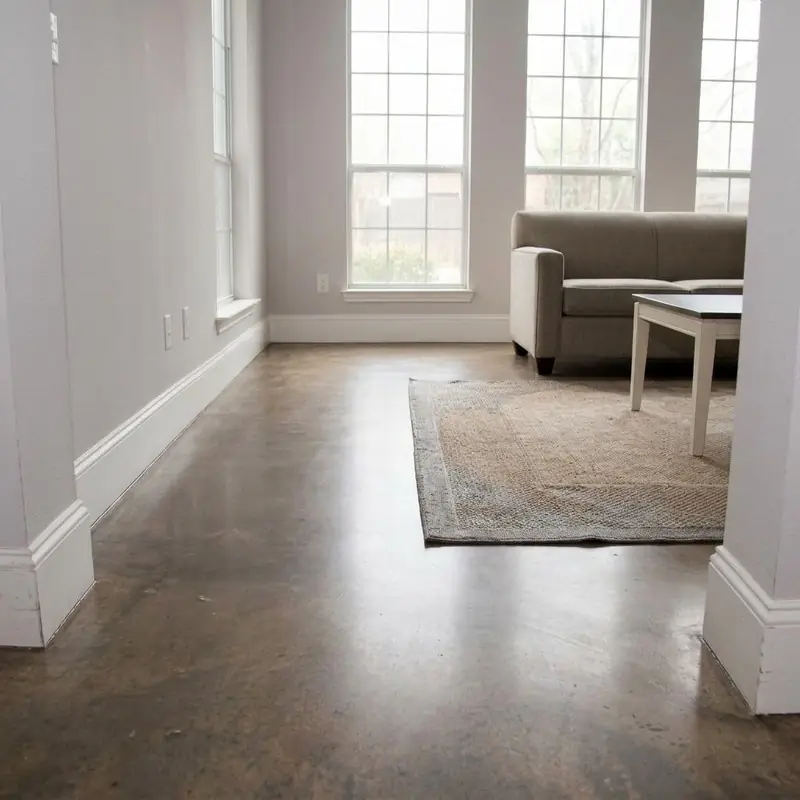
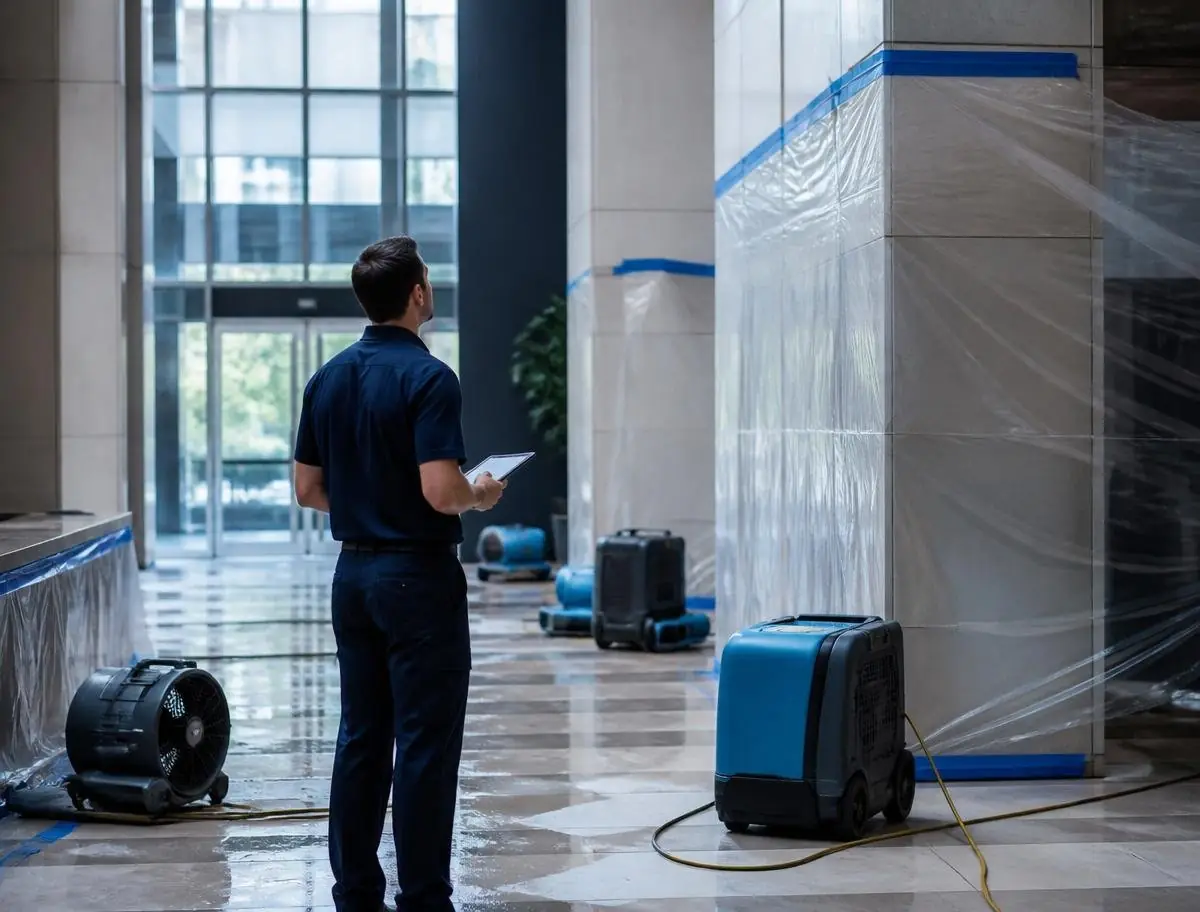
What type of water damage do you have?
The source of the water decides how it gets cleaned up. The industry standard, IICRC S500, sorts water into three categories by contamination. It is the first question a good provider will ask, and it drives what can be dried in place and what has to be torn out.
Category 1: Clean
Supply lines, a burst pipe, a sink or tub overflow, an ice maker line. Lowest risk if dried fast.
Category 2: Gray
Washer or dishwasher discharge, toilet bowl water without waste, aquarium water. Needs cleaning plus drying.
Category 3: Black
Sewage, floodwater from outside, water that sat for days. Porous materials it touches are removed.
Clean water does not stay clean. Category 1 water that sits in a hot, closed Dallas house for two or three days picks up bacteria from carpet, pad and wall cavities and is treated as Category 2 or 3. That is the strongest argument there is for calling the same day.
The standard also rates how much of the room got wet, from Class 1, a small area with little absorption, to Class 4, where water soaked into dense materials like hardwood, plaster or a concrete slab that need specialty drying. Our water mitigation and structural drying guide explains how crews size equipment to each class.
How a water damage restoration job goes, step by step
Every company has its own paperwork, but a properly run job in Dallas follows the same order. If someone wants to start with new drywall, slow down.
- Inspection and moisture mapping. The crew finds the source, confirms it is stopped, and uses moisture meters and often a thermal camera to map how far the water traveled under floors and up walls.
- Water extraction. Standing water comes out with truck-mounted or portable units. Wet carpet pad is usually pulled at this stage. See water extraction and removal.
- Controlled demolition. Only what cannot be dried, or anything touched by contaminated water, comes out: carpet pad, swollen baseboards, saturated insulation, the bottom of some drywall.
- Cleaning and antimicrobial treatment. Required for Category 2 and 3 water, and often applied as a precaution on Category 1 jobs.
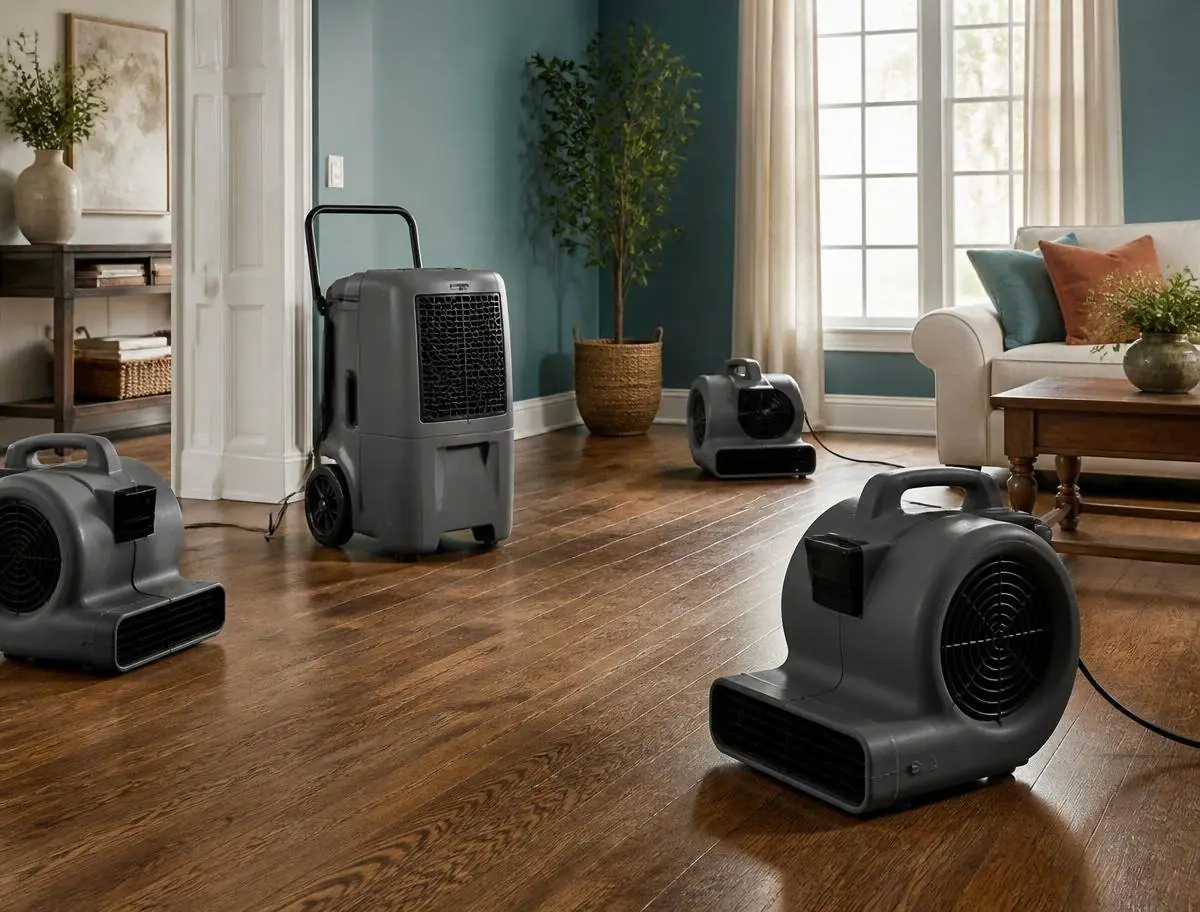
- Drying and dehumidification. Air movers and dehumidifiers run for three to five days on a typical job, with readings every day.
- Verification. Equipment comes out only when wet materials match the dry standard of the same materials in an unaffected room.
- Repairs and rebuild. Drywall, texture, paint, trim, cabinets and flooring. Some providers do this in-house; others hand it to a general contractor.
What does water damage restoration cost in Dallas?
Published 2026 Dallas cost guides put a typical job at roughly $3,000 to $9,000, with severe losses running $20,000 or more. Treat those as ballpark figures from a third-party guide, not quotes. The provider you speak with will price your job after seeing it.
| Cost item | Low | Average | High |
|---|---|---|---|
| Whole project | $3,000 | $9,000 | $20,000 |
| Per square foot | $2.50 | $5.50 | $10.00 |
| Mitigation per room | $400 | $1,200 | $3,000 |
| Demolition and disposal | $500 | $2,500 | $6,000 |
Source: LatestCost Dallas water damage restoration cost guide, 2026. Figures are estimates.
Four things move the price more than anything else: how long the water sat, what category it was, how many rooms and floors it reached, and whether it got into materials that are slow or expensive to dry, like hardwood, cabinets and plaster. A same-day call on a clean-water leak in one room is the cheapest water job there is.
Will insurance pay for water damage in Texas?
Most Texas homeowners and renters policies cover sudden, accidental water damage, and most exclude slow leaks and flood. That is the short version from the Texas Department of Insurance.
| Usually covered | Usually not covered |
|---|---|
| Burst or frozen pipe | A leak that dripped for weeks or months |
| Failed washer hose or water heater | Rising floodwater, without a flood policy |
| Toilet or tub overflow | Sewer backup, unless you bought a backup endorsement |
| Roof opened by a hail or wind storm | Leaks from a worn-out roof or poor maintenance |
A few Texas rules worth knowing before anyone hands you a contract:
- No contractor can waive your deductible. Offering to waive, rebate or absorb it is illegal under Texas Business and Commerce Code 27.02.
- A contractor cannot act as your public adjuster. Restoration companies document damage and talk to your adjuster, but Texas law bars them from negotiating your claim for you. If you want an advocate, hire a licensed public adjuster separately.
- Report it promptly and document it. TDI advises photos, a list of damaged items, keeping damaged items for the adjuster, and only temporary repairs until the insurer inspects.
- Hail and wind deductibles are often a percentage. In North Texas a 2% wind and hail deductible is now common, which on a $400,000 home is $8,000.
Commercial water damage restoration in Dallas
Offices, retail, restaurants, churches, schools, medical suites and apartment communities get connected with providers who handle commercial losses. Commercial jobs add their own pressure: keeping the business open, protecting tenants, working after hours and producing documentation for property managers and carriers.
- Fire sprinkler discharges and stacked plumbing failures in mid-rise and high-rise buildings, common in Uptown and Downtown Dallas
- Roof drain backups and storm water at storefronts during heavy rain
- Multi-unit leaks in apartment communities, where 57.6% of Dallas households rent, per Census ACS 2023 data
- Containment and negative air for occupied buildings, plus moisture documentation for the file
Tell the operator it is a commercial property, roughly how many square feet are affected, and whether the building is occupied. That lets us connect you with a provider sized for the job.
Renters, condo owners and HOAs: who handles what?
More than half of Dallas households rent, and a lot of homeowners live in condos and townhomes. When water crosses from one unit into another, three policies can be involved: the landlord's or association's master policy for the building, the unit owner's HO-6 policy for interior finishes, and the renter's HO-4 policy for belongings. Notify the landlord or HOA in writing, take photos, and get drying started. The Far North Dallas and Uptown pages walk through condo leaks in more detail.